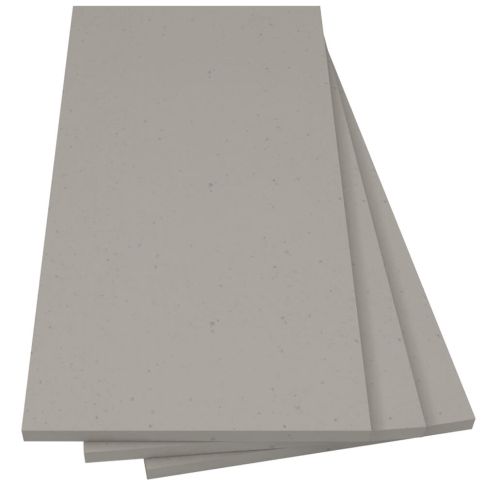
Wall protection near a sauna heater is selected according to the specific appliance and the room's construction. Distances from wooden paneling, benches, and ceiling are specified in the heater manual. A heat-resistant panel can be part of the shielding, but it does not independently determine these distances.
Electric and wood-fired sauna heaters
When using an electric heater, the manufacturer's requirements regarding installation and the surrounding environment of the appliance must be taken into account. A wood-burning stove also requires a proper flue and its passages through partitions. Solutions intended for one appliance should not be copied to another merely because of a similar size.
In a seasonal home, also check the condition of the room after a break: dampness, fastenings of the cover, and traces of overheating. Repairs should not start by covering such a trace with a new panel.
What does a wall cover consist of?
- Compliant substrate or suitable supporting structure.
- Panel with the appropriate function and method of fastening.
- Connections and edge clearances.
- Gap with a clear inlet and outlet, if required.
- Finish approved for temperature and humidity.
HT board and HB60 adhesive are listed in the Vitcas material description for the corresponding sauna constructions. The documentation of the entire system still needs to confirm support, fastening, and spacing. The non-combustibility classification of the board does not mean fire resistance of any wall or permission to place the stove close to the wood.
What to determine before purchasing materials?
Note the stove model, draw the wall layout and mark the planned position of the benches. Check the requirements for floor protection and cable passage, if present. Only with this data can the suitability of a specific board and finishing layers be confirmed.
Materials used during repairs must dry under the conditions specified in their instructions. Before starting, check the fastenings and the clearance gap. If the documentation is unclear or there are signs of overheating, ask the installer to assess the design, rather than adjusting the cover solely based on product photos.