After the first weeks of operation, it is worth comparing the painted part with a photo taken after renovation. Local changes may concern substrate preparation, contact with a tool, or equipment conditions. Conduct the assessment cold, before planning the next layer of paint.
Identify the product and previous work
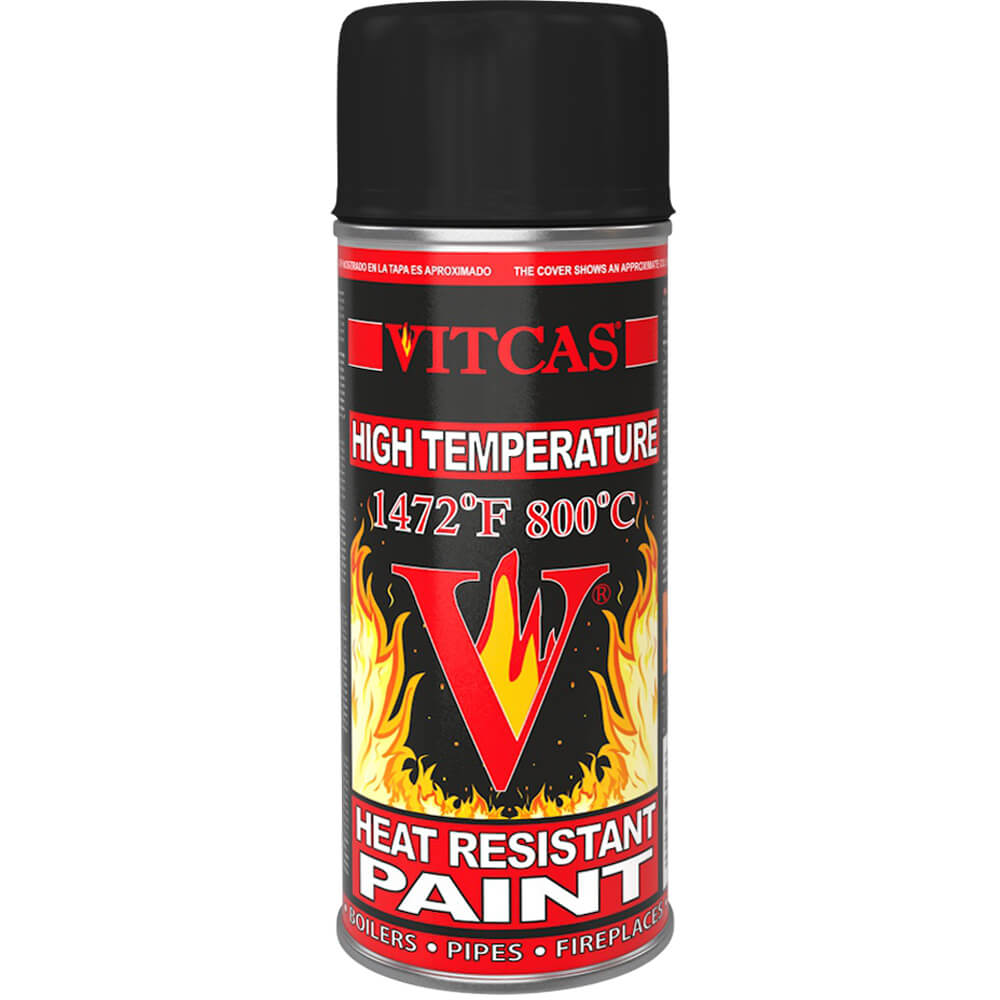
Black Vitcas heat resistant paint is described for appropriate substrates with resistance up to 800°C. Check where it has been applied and how the surface was prepared. The paint parameter does not automatically determine the allowable temperature of the entire metal component.
Record the date, scope, and method of coating preparation according to the instructions. Touch dryness and full readiness for use are not the same information. If you do not know the history, indicate lack of data instead of assuming all required steps were performed.
Compare the placement of changes
Examine the edges, places touched by tools, and corrosion marks. Add a photograph with a wider frame. A smooth new layer should not cover unidentified damage to the metal or a joint that requires separate assessment.
BLACK Fire Cement has separate applications in certain minor indoor repairs. Repair compound and paint perform different tasks. Do not assign a coating the functions of support repair or joint sealing just because both materials are black.
Prepare the new application from scratch
If the scope requires repainting, maintain the proper substrate, cleanliness, and aerosol instructions. The product indicates use without a primer. Consider drying and required coating preparation before the normal operation of the device, instead of just increasing the number of layers.
Record the location of the change and the actions performed. During the next comparison, it will be possible to check the same detail and its surroundings. Documentation helps distinguish a new change from the trace left before refurbishment, without promising the same durability in every device.